March 24, 2026

Finding “The One” (According to Two Matchmakers)

How to know when a home and human belong together.

People want this to be rational. Price per square foot. School districts. “Good investment.”

And sure. Yes. All of that matters. But that’s not how anyone actually falls in love with a house.

It’s dating. Fully.

You can meet someone who is perfect on paper: Hot. Successful. Everyone’s obsessed with them.

And you’re sitting there thinking, “I mean…yeah. They’re great.” But there’s no spark.

Then you meet someone else. And it’s immediate. You’re not running comps in your head. You’re not asking your friends what they think. You just know.
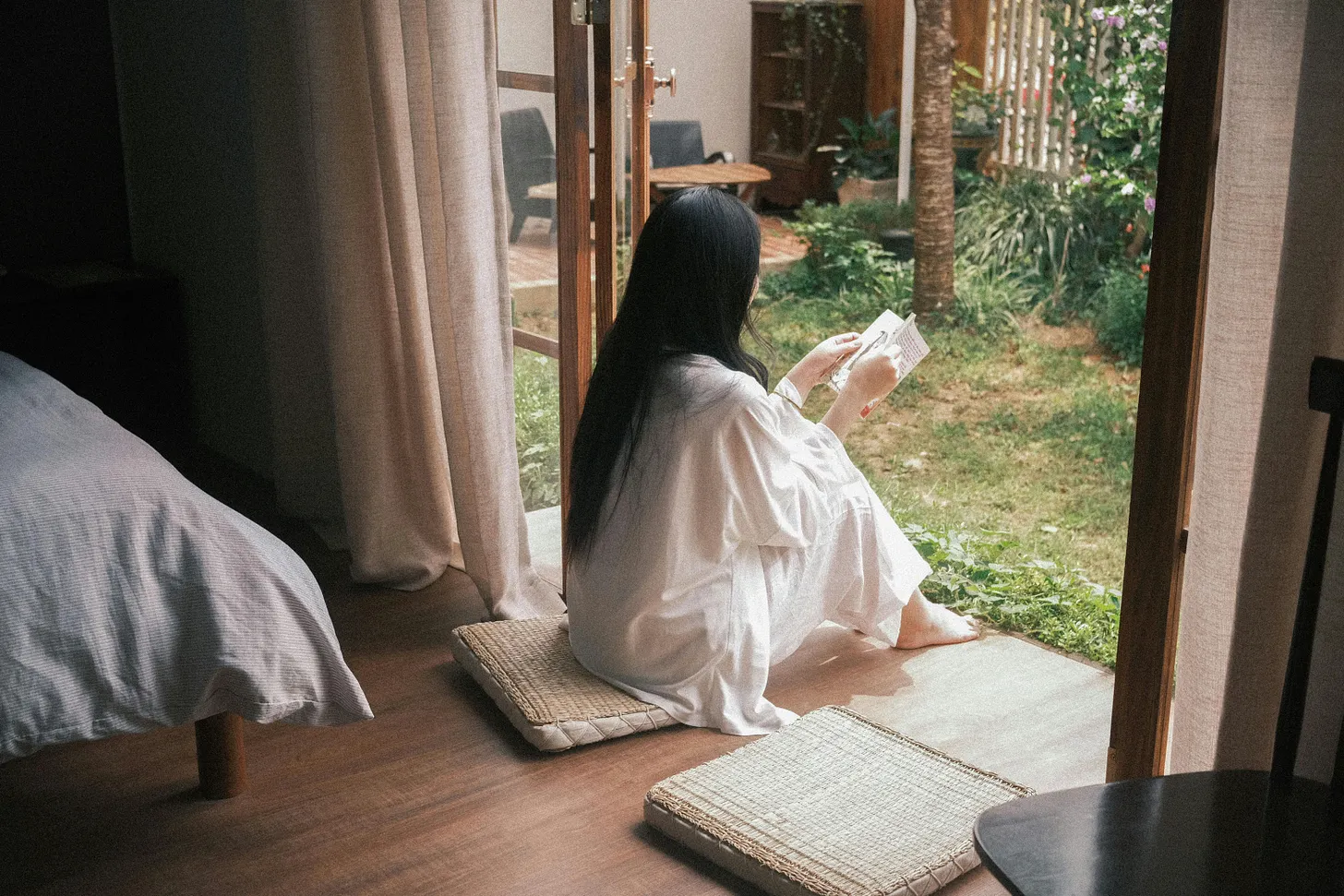
Houses are exactly the same.

We’ll show you ten homes that technically “fit.” Right neighborhood. Right price. Recently redone kitchen.

And you’ll walk through all of them like a good sport. “This could work.” “I could live here, probably.” That’s the equivalent of going on a second date because you should.

And then one hits.

And everything changes. You walk in and immediately, you slow down, you stop talking as much, you start touching the walls. You’re not evaluating anymore. You’re imagining. That’s it.

Here’s what we’re actually doing behind the scenes.

Because this part isn’t random. We’re watching you. Not in a weird way, in a “we’ve done this a thousand times” way.

We’re clocking where you linger, what you ignore, the exact moment your energy changes.

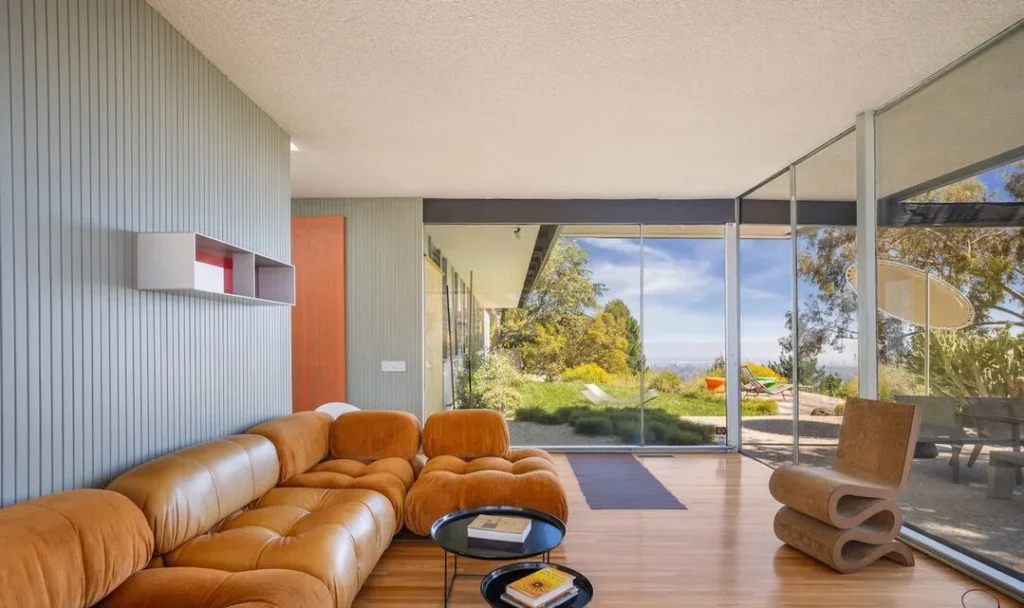
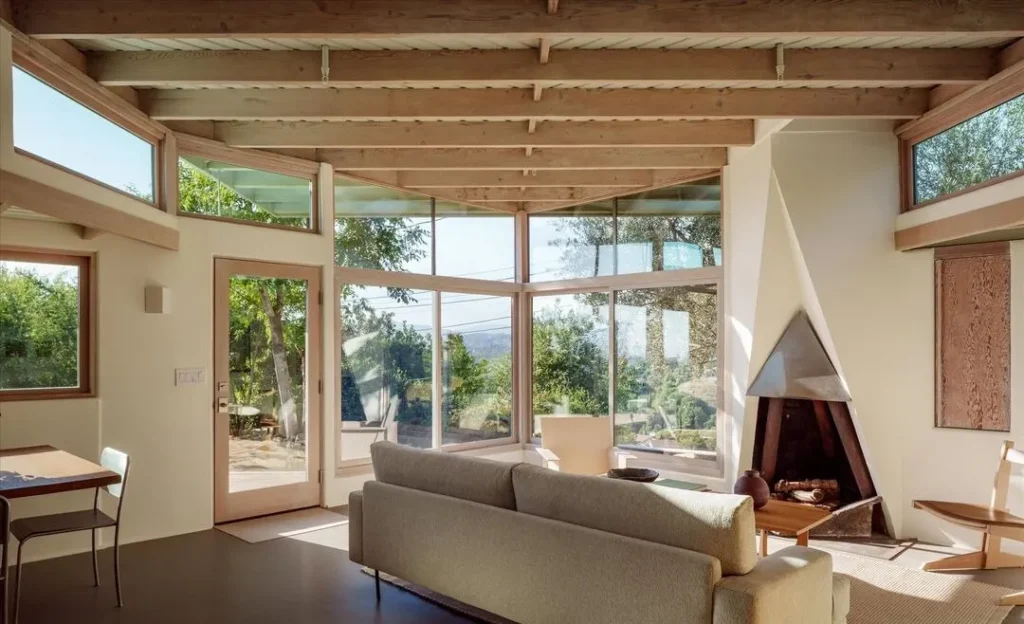
You might say you want modern, but you keep lighting up in homes with wood beams and weird little nooks. You say you don’t care about outdoor space. Then you don’t leave the backyard.

That’s the data.
The part people don’t realize?

We usually know before you do. Sometimes we walk into a house and immediately text each other: “This is theirs.” Before you’ve even seen it.

We’ve been paying attention. And we know what kind of light you respond to, how much space you’ll actually use, whether you’re someone who hosts or retreats, and most importantly, we know what holds value.

Let’s talk about value for a second.

Because “the one” isn’t just a feeling. It also needs to make sense. When we say this is it, we’re also thinking: Is this a block people consistently want to be on? Does the layout work long-term, not just right now? Are the things you can’t change (light, lot, positioning) actually strong? Is this something other buyers will want later?

Back to the dating analogy…

The best relationships aren’t confusing. You’re not analyzing every text, asking ten people what they think, constantly trying to convince yourself. It’s just easy.

That’s how the right house feels. You walk in and think, “Wait.” And then, “Oh. Yes.”
The truth? You’re not looking for the best house.

You’re looking for the right one at the right time. You can tick off all the boxes, but you still need to fit.

So if you’re out there dating houses right now: Stop trying to make something work that doesn’t. You’ll know when it hits. And if you don’t yet…we will.

xoxo,

– Claire and Sam

Matchmakers
2644

Greenvalley Rd

“A screenwriter lived here, and you can tell, because every corner of the property feels like its own scene.”

–Sam O’Connor
$3,495,000
3,024 SQ. FT.
3 BEDS
3 BATHS

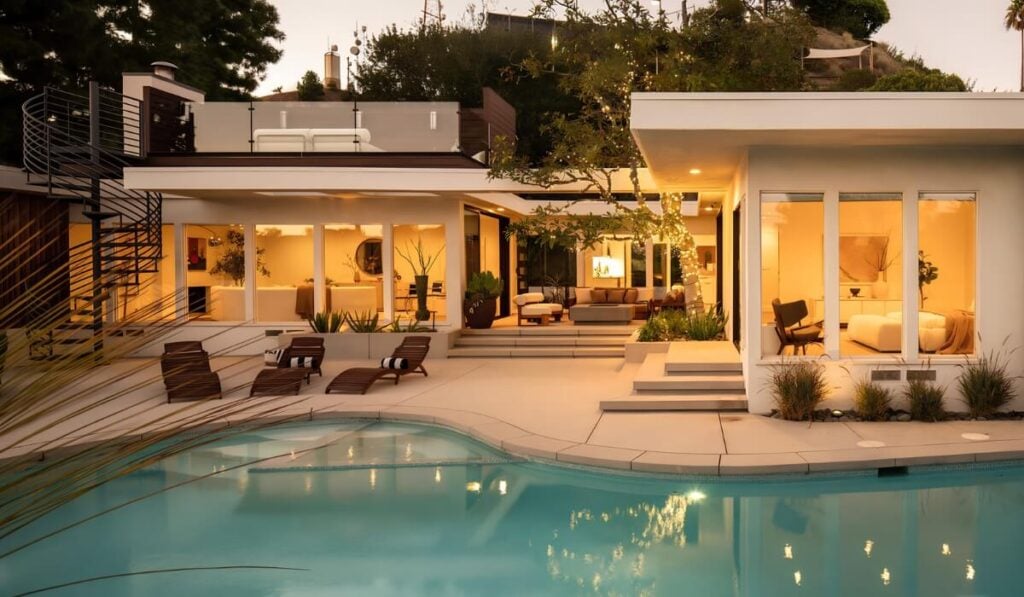
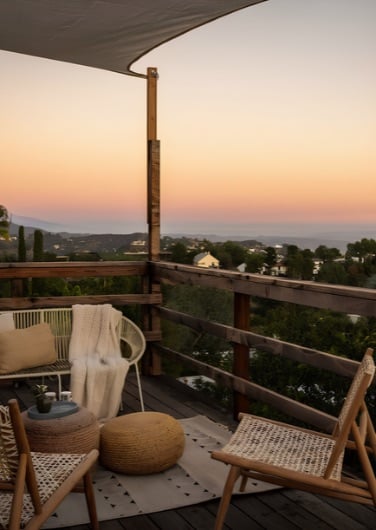
Most houses in the hills are sold on a single view, and everything else exists to support it. This one works more like a screenplay. It opens at the gate and the long driveway, introduces the house through walls of glass and a pool, and then moves outward through a courtyard, a guest house, a Zen garden, and an outdoor theater before closing on the upper deck, where the city and the Hollywood Sign come into view. That structure is the real reason the property feels larger than its half acre. Every space has a purpose and a time of day, so the place never runs out of somewhere new to be. It belongs to someone who writes, makes, or produces something, who needs a studio across the courtyard and a deck to end the day on, and who knows that the best scenes are the ones you build up to.

2810

Woodshire Dr

“The Hollywood sign started as an ad for this neighborhood. A hundred years later, houses like this one are still the best argument for it.”

–Sam O’Connor
$3,895,000
2,833 SQ. FT.
4 BEDS
3 BATHS

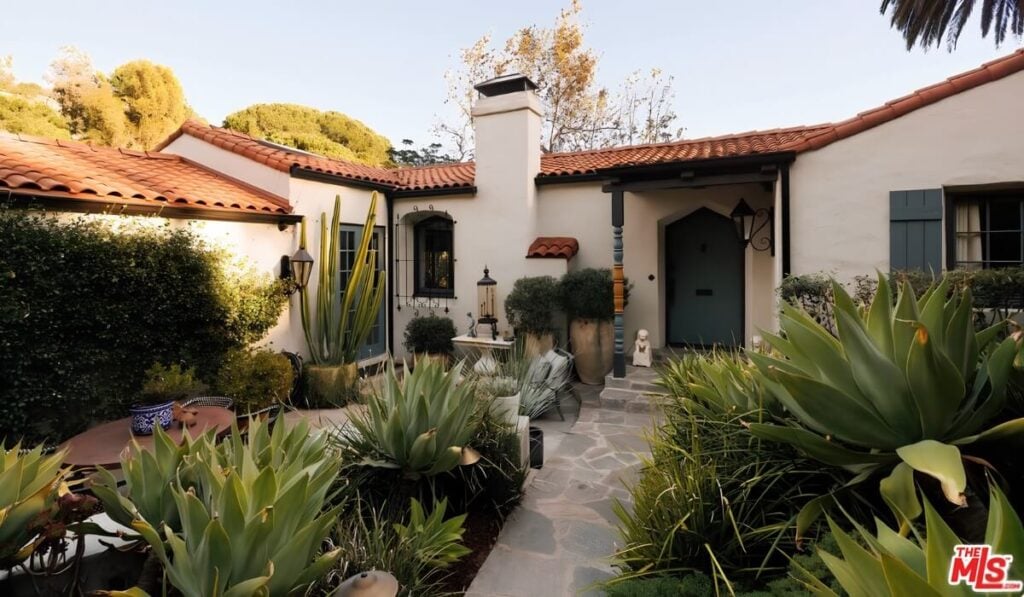
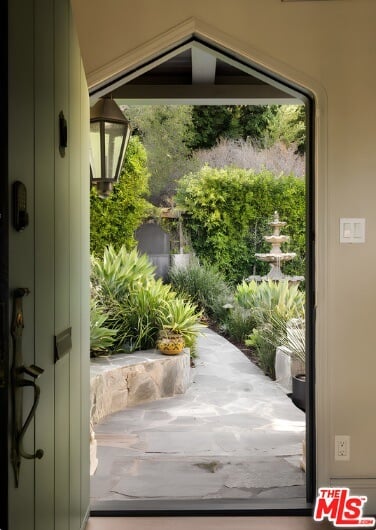
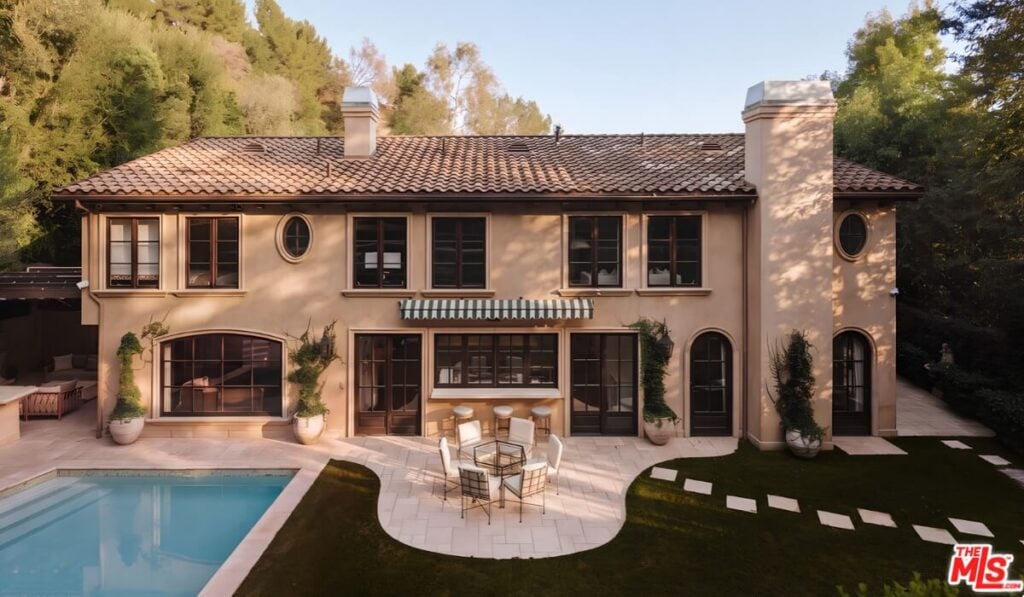
There is a difference between renovating a historic house and restoring one, and most of it is invisible. A renovation is what you see: the marble, the hardware, the new kitchen. A restoration is everything nobody notices, like original windows rebuilt instead of swapped for new ones, or a fountain kept running for nearly a hundred years when it would have been easier to pull it out. Plenty of Spanish houses in Los Angeles get the first treatment and skip the second, and they end up looking like period pieces without feeling like them. Villa Alesia got both, because the builder who did the work also chose to live inside it. It belongs to someone who walks down to Beachwood Village for coffee, hikes Lake Hollywood before work, and comes home to a house that was already here when the sign still said Hollywoodland.

2449

Panorama Ter

“An architect builds differently when he’s the one who has to live there.”

–Claire O’Connor
$2,395,000
2,234 SQ. FT.
5 BEDS
2 BATHS

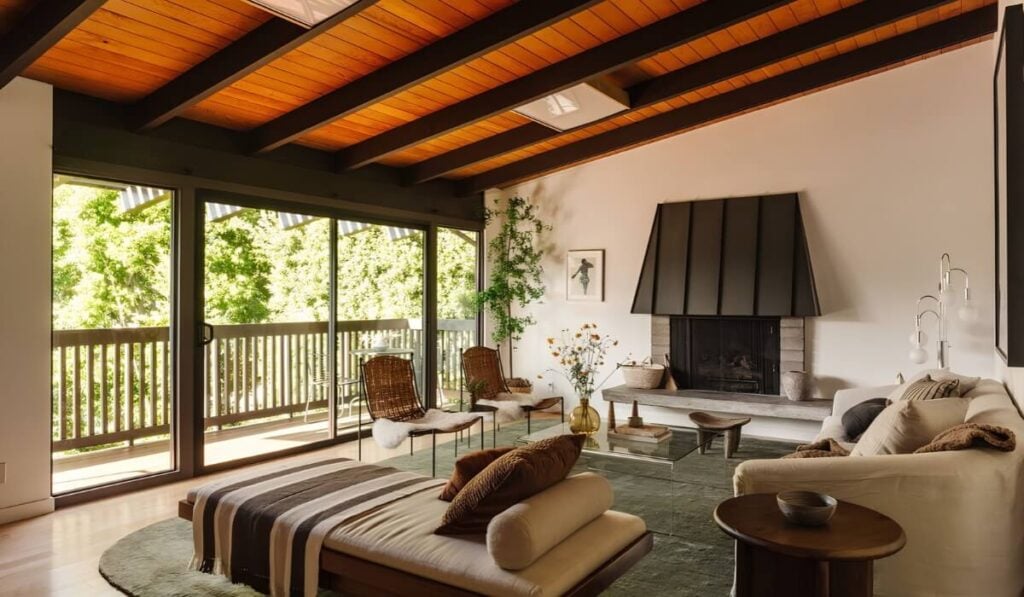
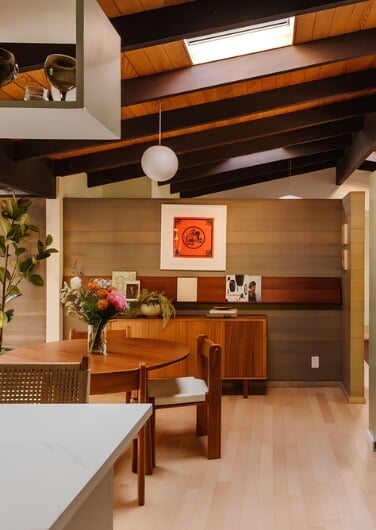
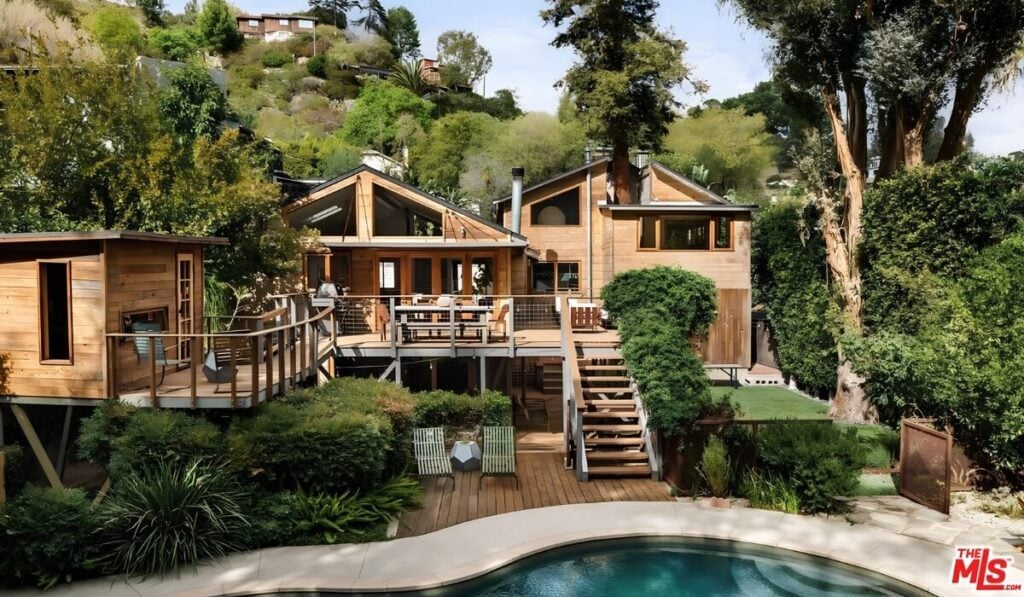
An architect builds differently when he is the one who has to live there. Designing for a client is a negotiation, and every house that comes out of one carries the marks of what was traded away. A house built for the architect’s own family has no one to negotiate with, which makes it the most honest version of his thinking: the beams he actually wanted, the built-ins he actually used, the hearth placed exactly where he wanted to sit. Then there are the avocado trees. A man who plants fruit trees at his own house is planning for decades, not for a photo shoot, and the trees are still producing today. That is the real proof of how this house was made. It belongs to someone who will pick the avocados, read by the garden, and understand that they are living inside one person’s best argument.

3145

Abington Dr

“Most people book a resort to live like this for a week. Here, you just come home.”

–Claire O’Connor
$8,495,000
4,027 SQ. FT.
5 BEDS
5 BATHS

Beverly Hills has always built two kinds of estates. The first is built for the drive past, with a facade, a motor court, and a lawn meant mainly to be looked at. The second is built for the people inside the gate, and it spends its money where no passerby will ever see it. This house is firmly the second kind, and the fireplaces make the case: there are six of them, counting the fire pit, and every one sits behind the gate. Add a theater, a cabana, a gazebo, and a pool, and the list starts reading as a decision. The point of the house is that going out becomes optional. In a city where every address is public, that is the one kind of privacy money can still buy, and it belongs to someone who has done plenty of going out and would now rather have everyone come over.

8420

Ridpath Dr

“Most houses are built around a kitchen. This one was built around a redwood.”

–Sam O’Connor
$2,850,000
2,636 SQ. FT.
4 BEDS
3 BATHS

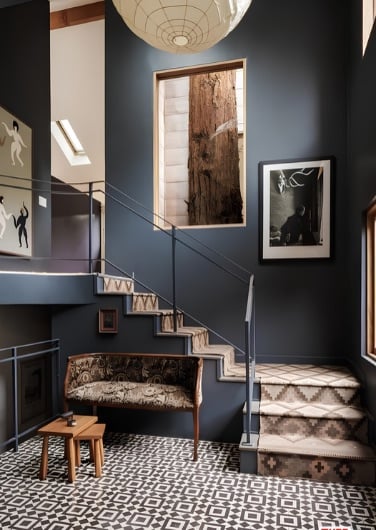
Most houses get sold by erasing the people who lived in them. The walls get painted, the photographs come down, and the house becomes a blank space. The sellers here did the opposite and wrote out everything that happened inside it, from marriage and parenthood to music and a great deal of dancing. Anywhere else that would read as sentimental. In Laurel Canyon it reads as accurate, because the canyon earned its reputation through people who treated houses as places where things happened rather than as assets. The redwood makes the argument permanent. A tree that has grown through the center of a house for a century is not something a new owner can renovate around, so whoever buys it is not starting over so much as taking a turn. It belongs to a family in the Wonderland school district who want the noise and know exactly what to do with a lawn.

1949

Micheltorena St

“Lautner drew a studio for an artist in 1955. Seventy-one years later, it’s ready for the next one.”

–Claire O’Connor
$2,099,999
1,679 SQ. FT.
3 BEDS
2 BATHS

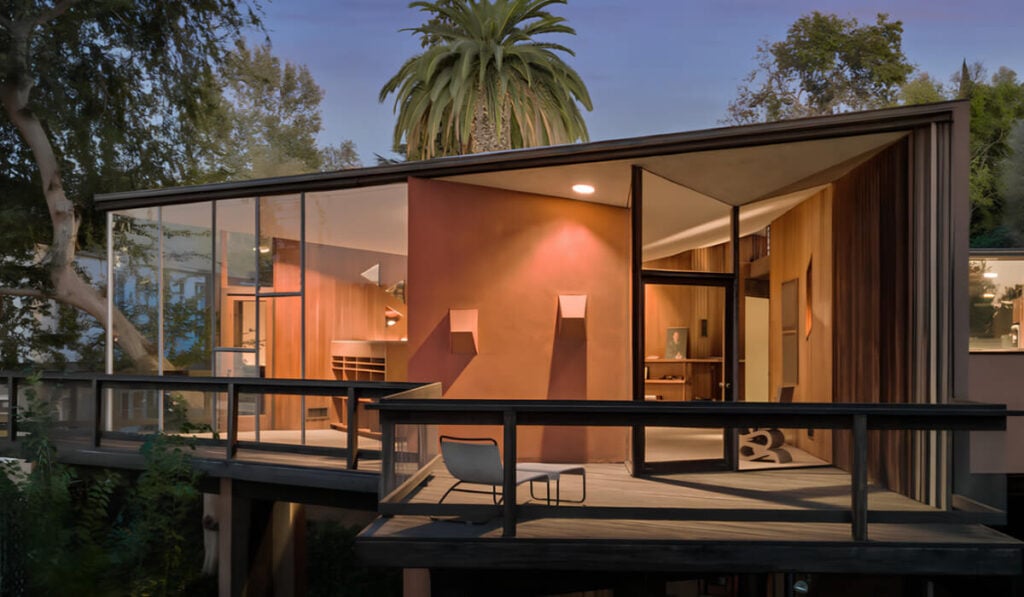
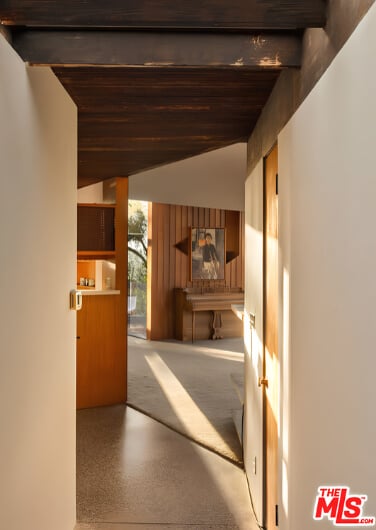
Custom houses usually get built around someone’s taste, and taste is the first thing a house outlives. The next owner arrives with different ideas, and the walls start moving. This one was built around something steadier, which was the work that would happen inside it. Lautner gave Joseph Baldwin a studio of his own off the heart of the house, facing north for the even light painters have always wanted. Home and work share a wall, so the house never had to choose between them. A room drawn for a job does not date the way a room drawn for a mood does, because north light is the same in every decade. It is the best explanation we have for why nobody ever felt the need to start over. This is a house for someone who makes things, in a room Lautner drew for exactly that.

Scroll to Top

The view from O’Connor Estates. Weekly.

Listings, sold stories, design inspo, and insider tips straight to your inbox.

By signing up, you agree to receive email marketing.