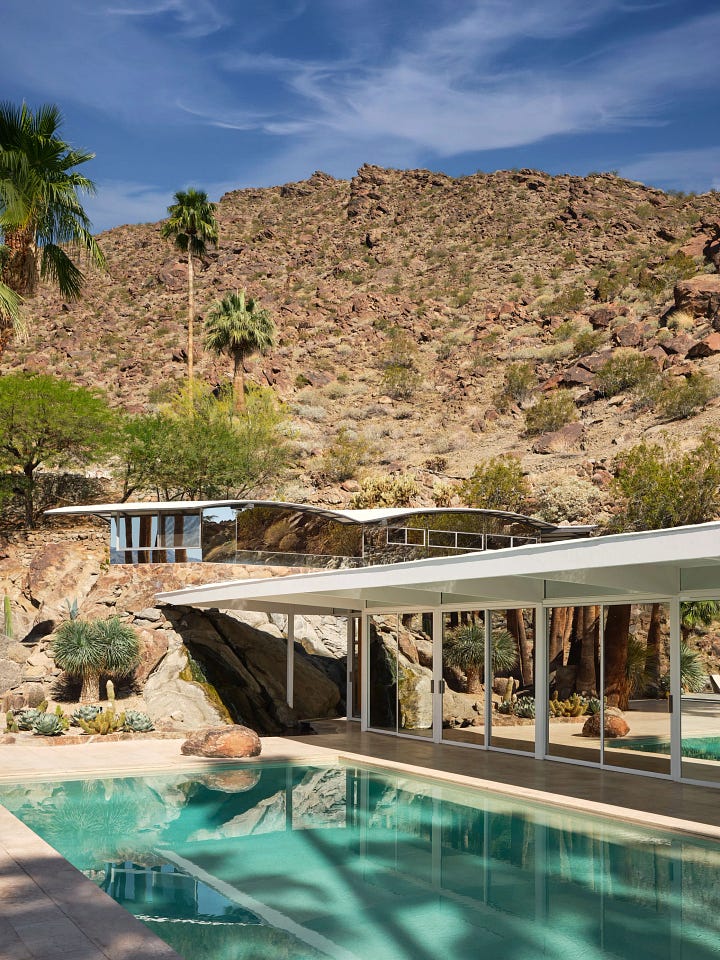
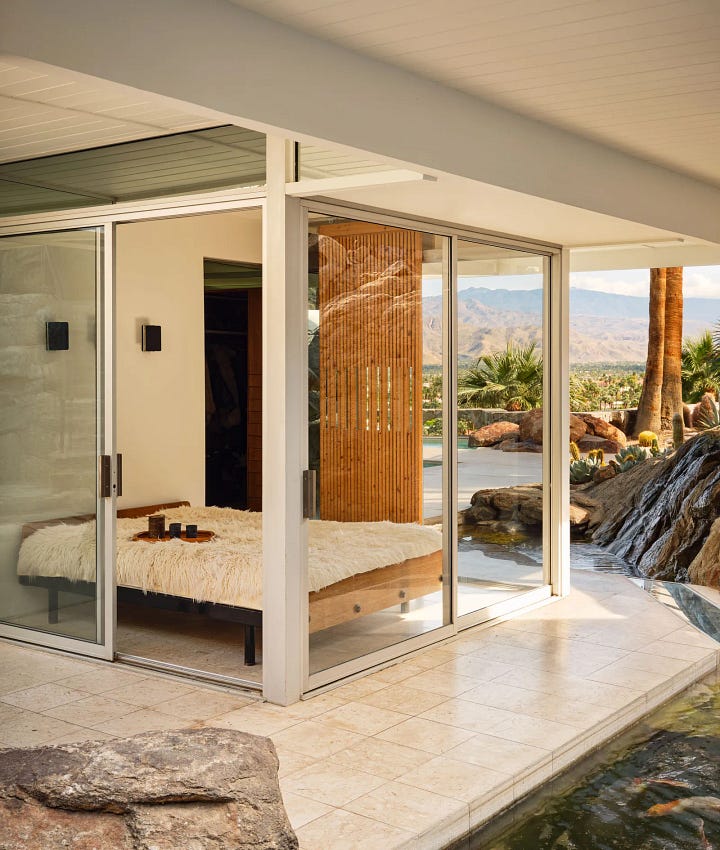
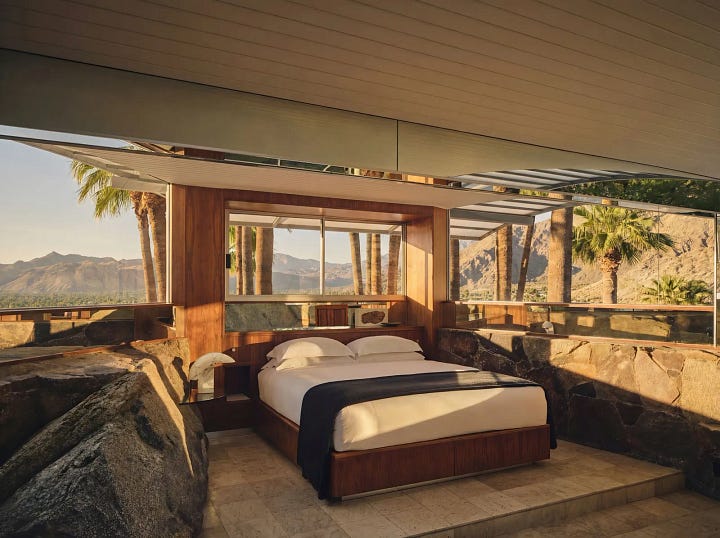
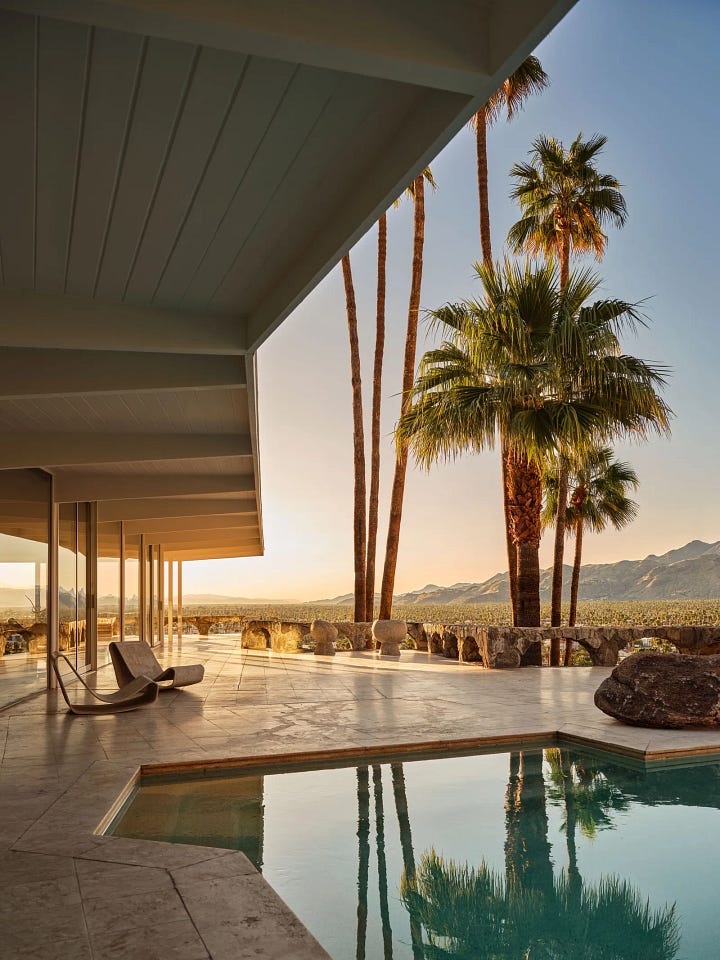
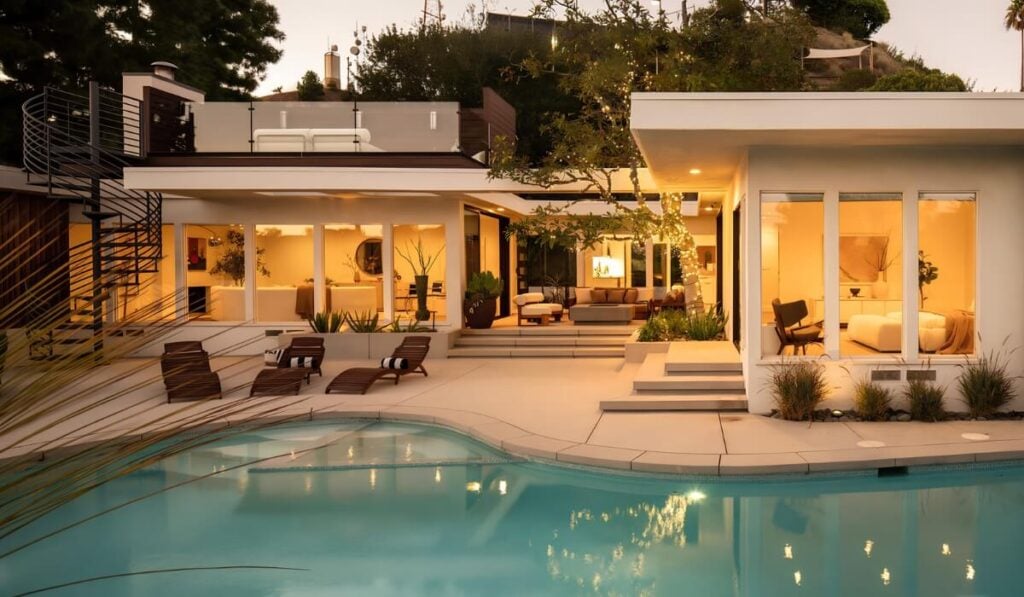
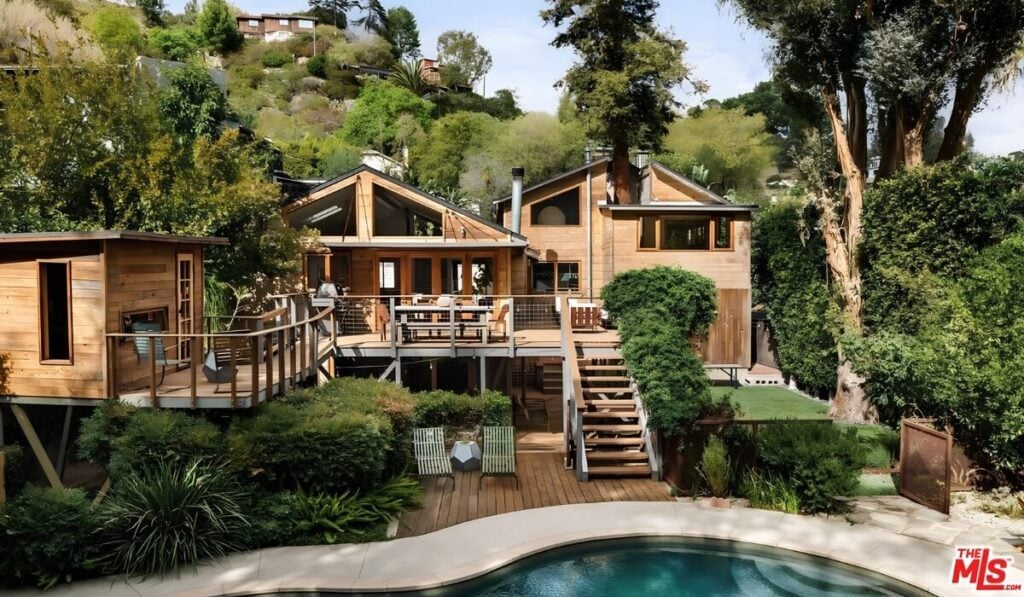
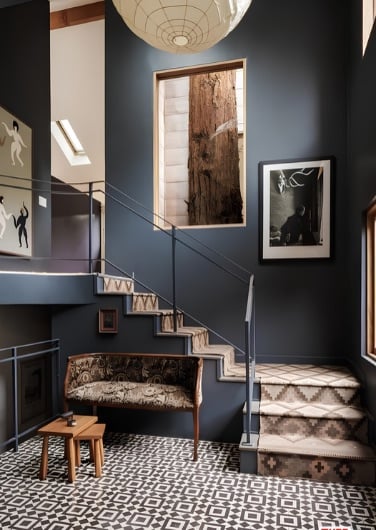
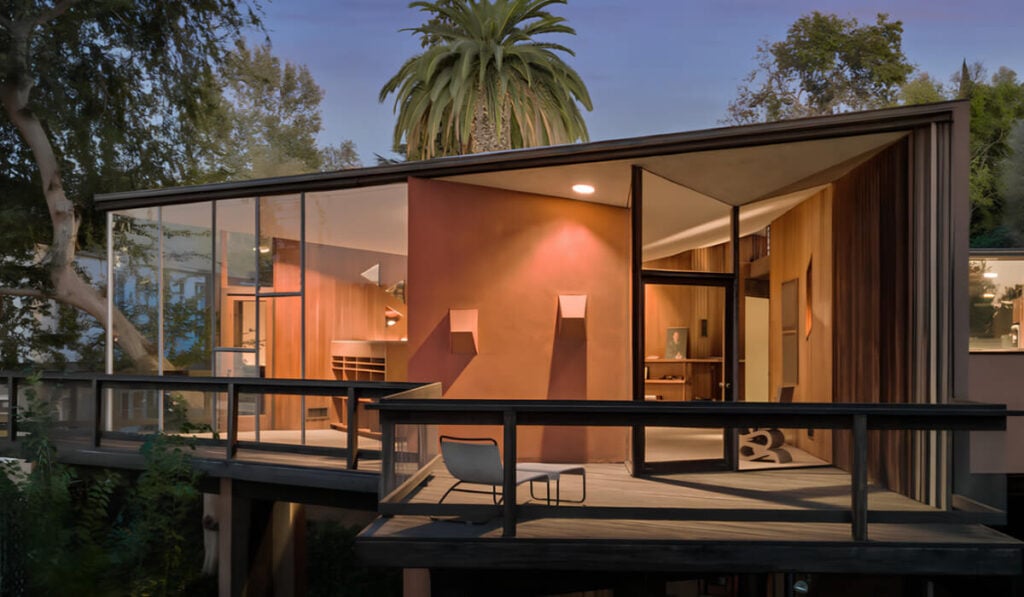
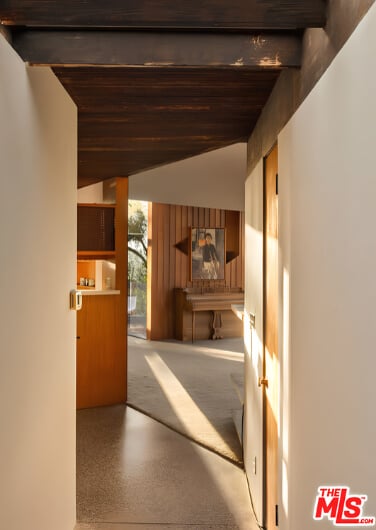
In a world where everyone is outbidding each other on new builds, new additions, new homes – we say, let them have it.
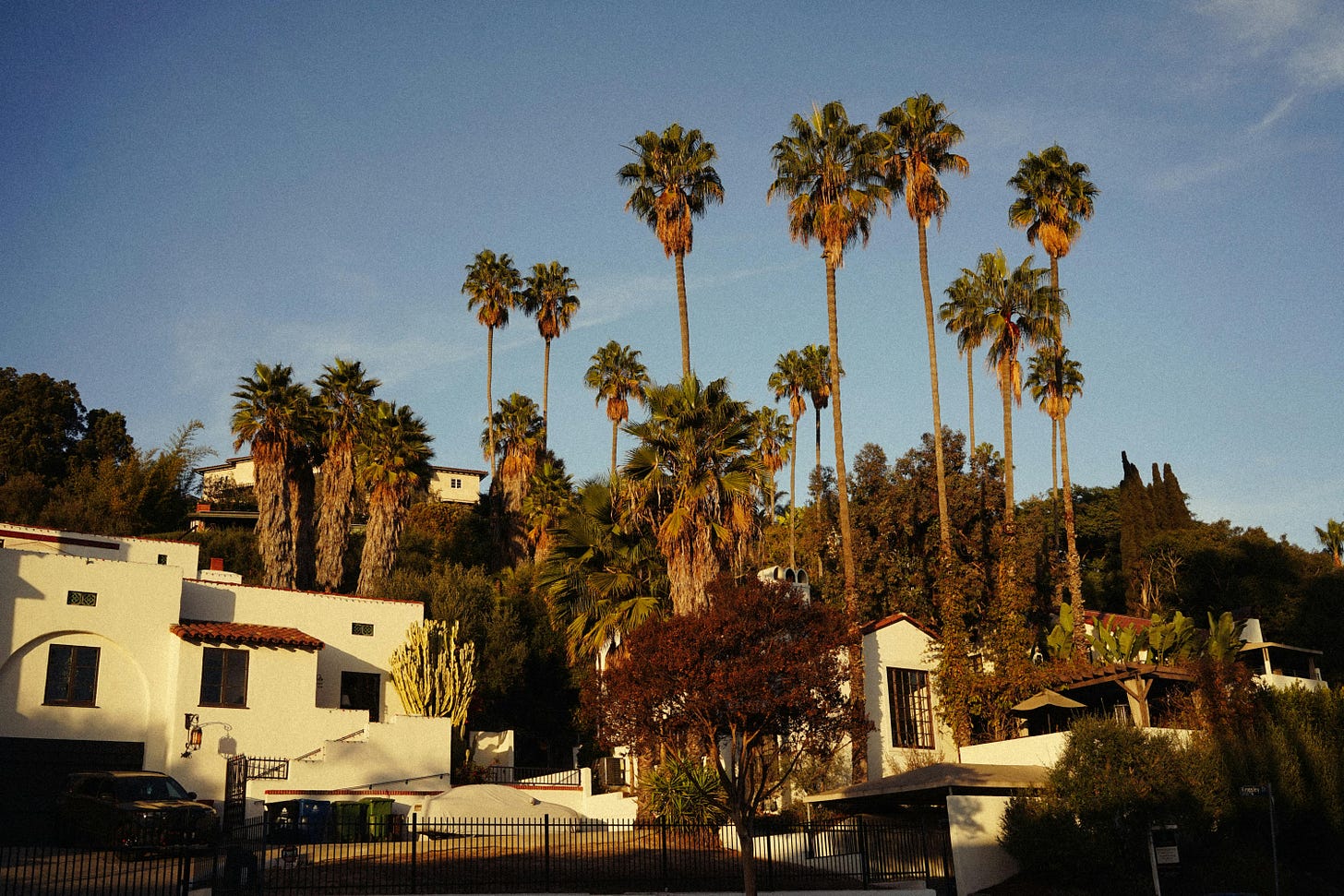
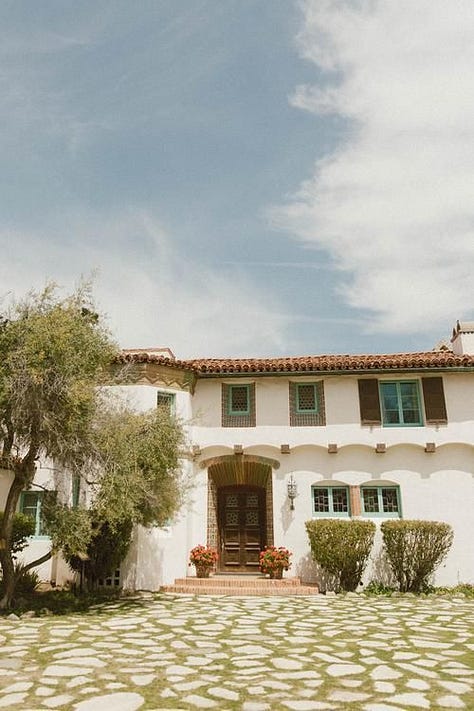
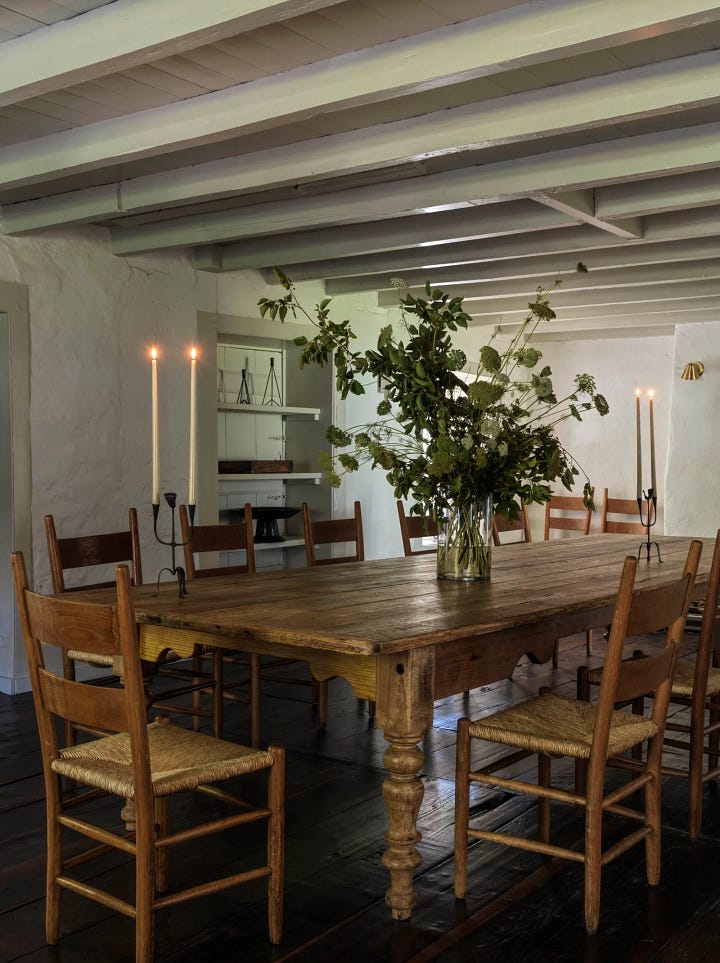
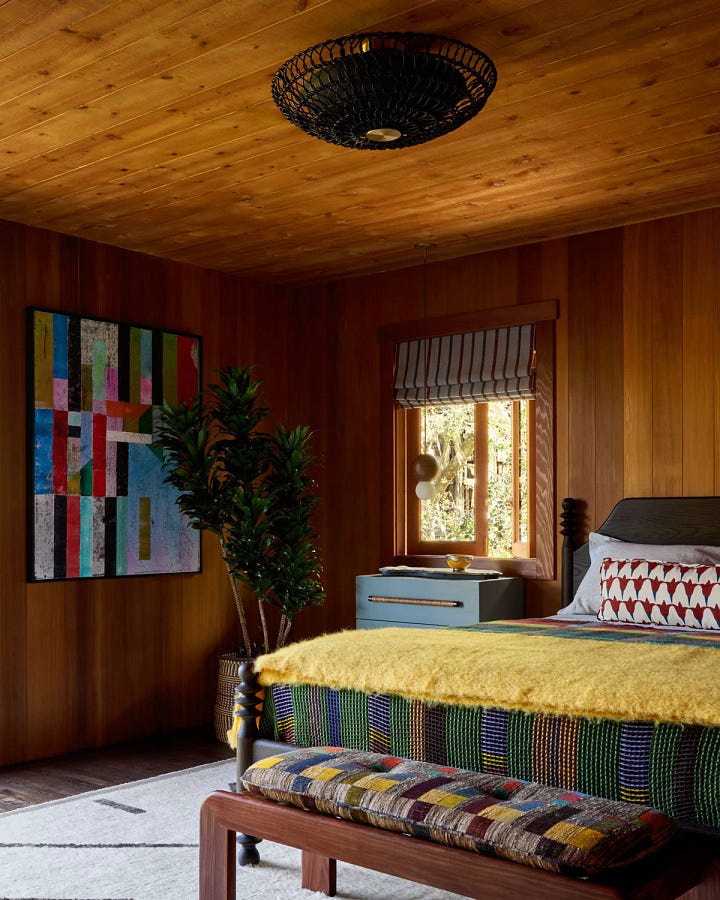
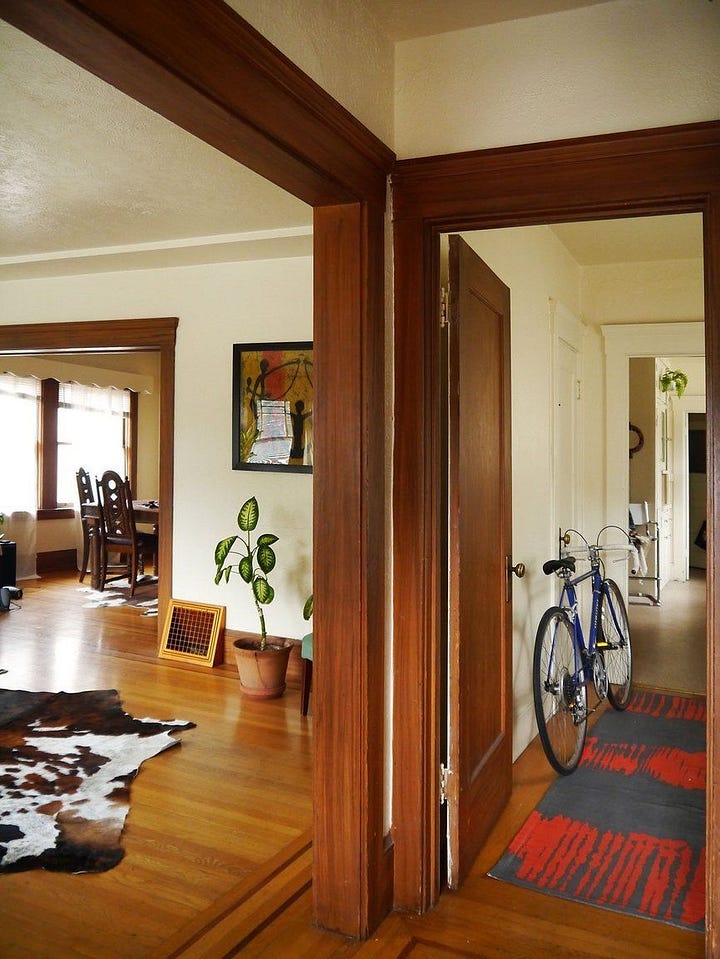
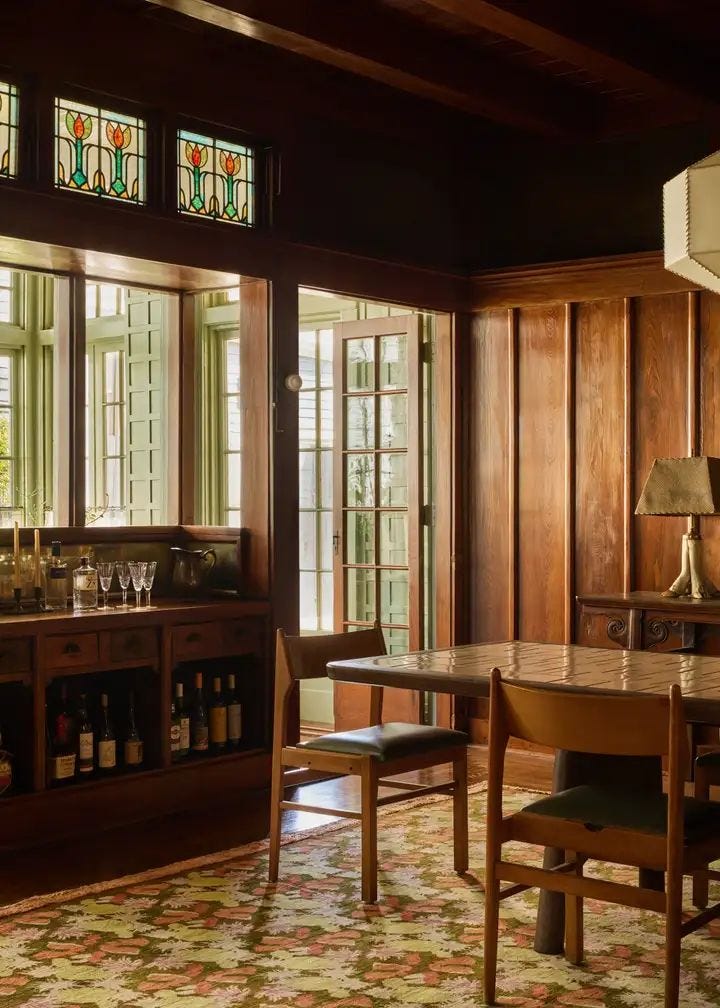
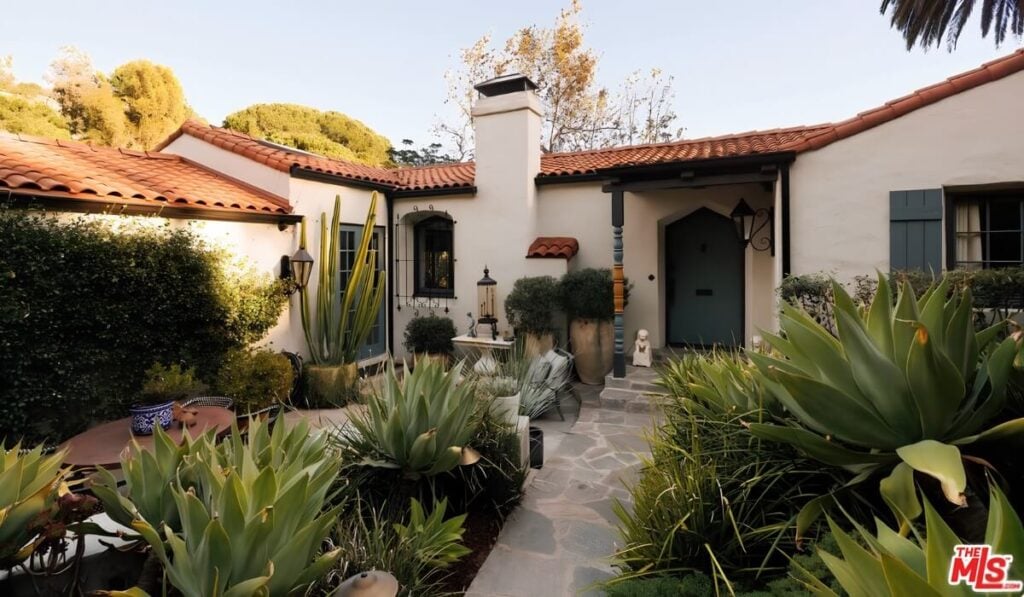
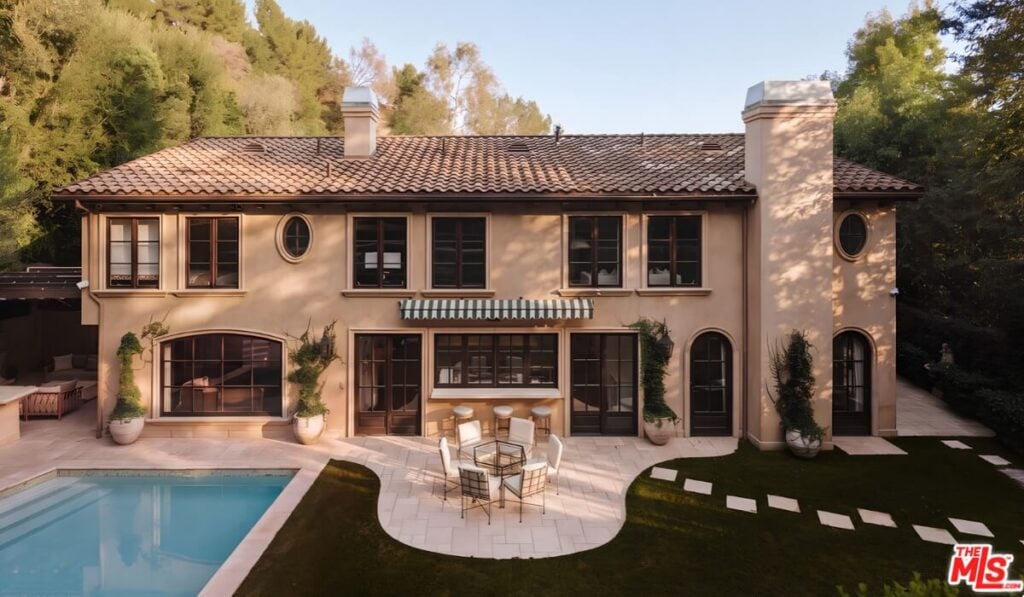
We’ll take a 1920s Spanish, a 1930s Tudor, a slightly creaky Craftsman with original windows almost every time.
And it’s not just because we’re emotional. (Okay fine, it’s a little because we’re emotional.) But mostly, it’s because we believe it’s the smarter bet.
The thing is, you can build a new house tomorrow. You cannot build a 1920s original.
You can try…and people do. But you can’t recreate what’s original. And that matters.
In Los Angeles, many of the homes people love most were built between the 1910s and 1940s. That era is finite. There are only so many of those homes left. And every year, more of them get torn down.
Our main case for buying old? Scarcity is what drives value. Not trend.
A lot of new construction today is built for speed and resale. “Maximize square footage! Hit the right keywords! Photograph well!”
And listen, we get it. There are beautiful new builds. But many of them are designed for a moment.
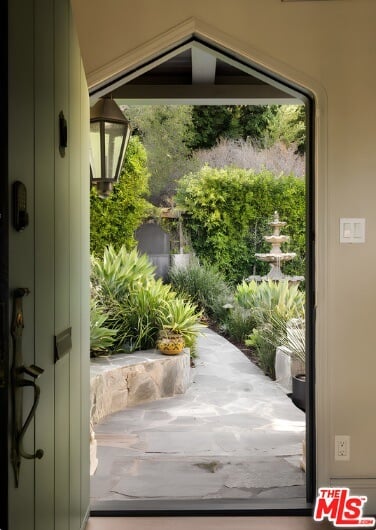
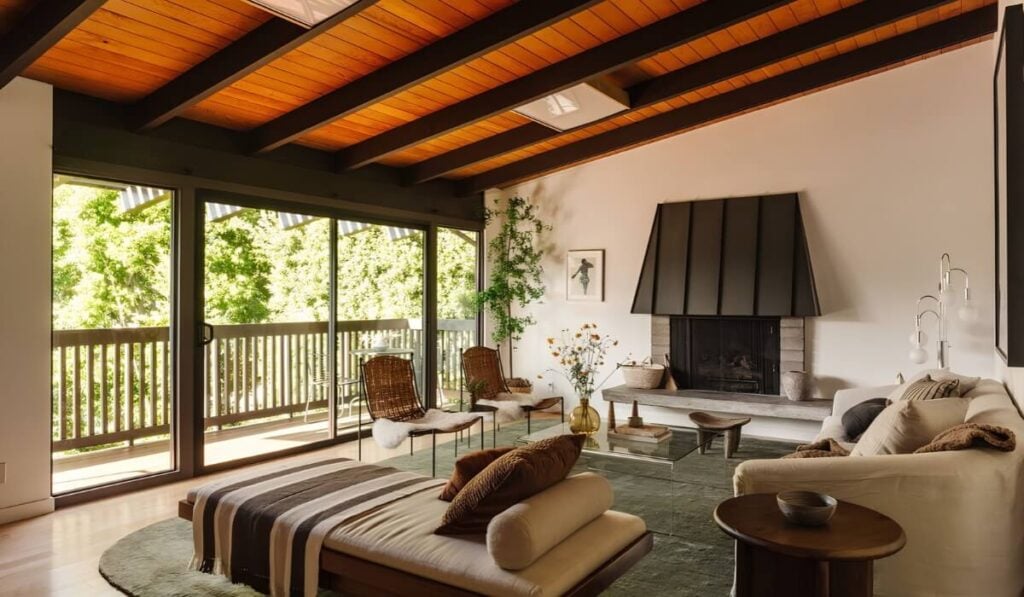
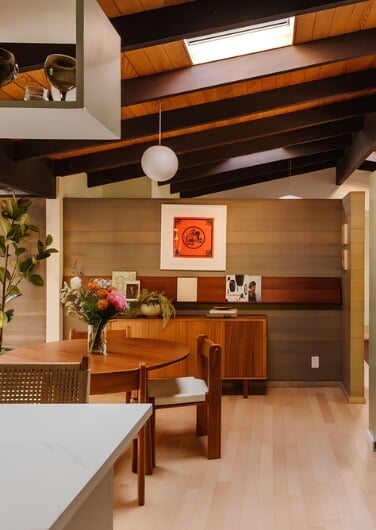
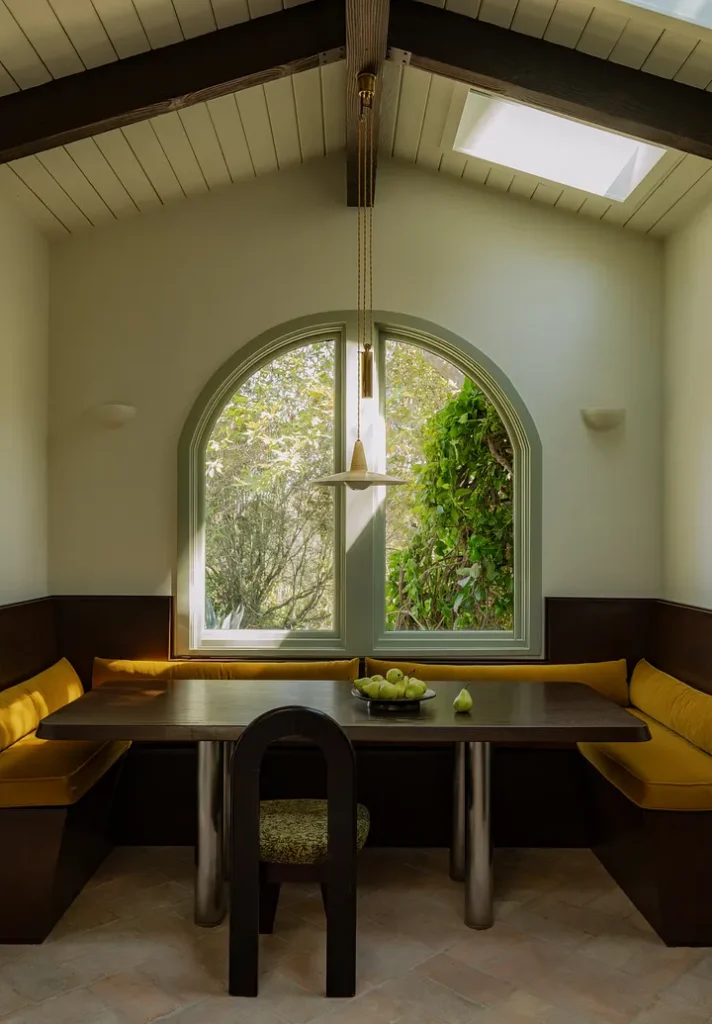
The older homes we’re talking about? They were built differently. With intention. With craftsmanship. With materials meant to last. There’s a reason you walk into one and immediately feel the difference. (And it’s not ghosts.)
We say this all the time, but it’s worth repeating: You can look at 100 houses online and feel nothing. And then you walk into one, and everything clicks.
That’s not random. Older homes tend to get the fundamentals right:
proportions that make sense
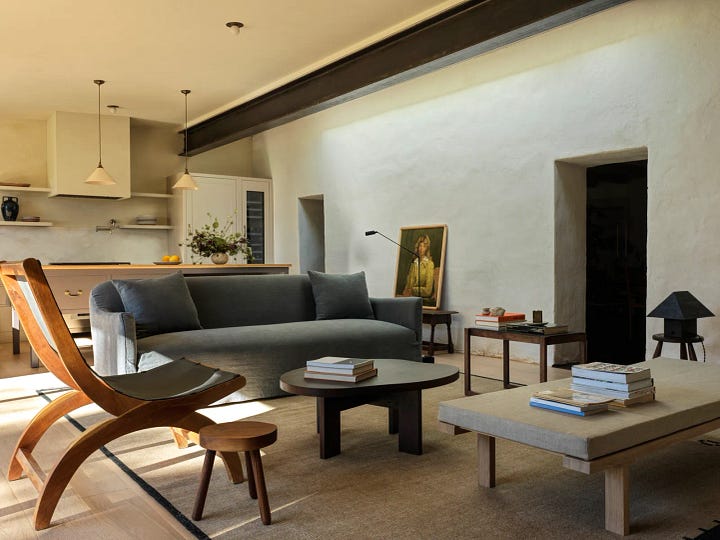
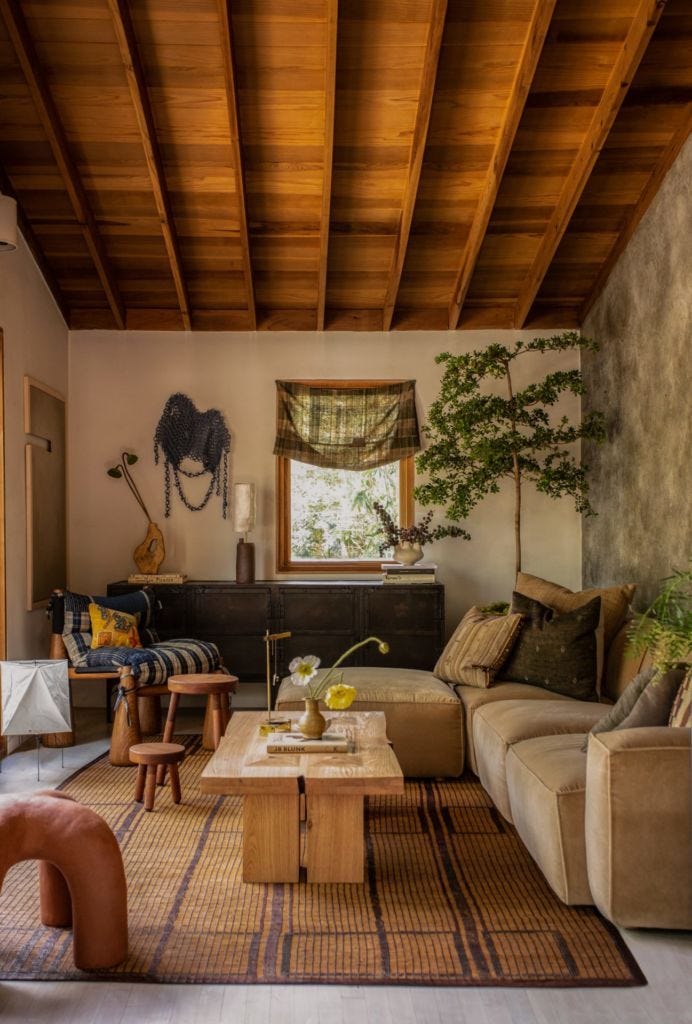
natural light that moves the way it should
layouts that weren’t over-engineered
There’s real research showing that natural materials and daylight impact how we feel in a space: lowering stress and improving mood.
So when you walk in and exhale? That’s not just “vibes.” That’s your body recognizing something good.
We’re not blindly romantic about this. Some old homes have been over-renovated. Or lost their original details. Some just don’t work anymore, and honestly aren’t worth saving.
But the good ones? They have something you cannot add later.
So at the end of the day, here’s what matters:
1. Original details still intact
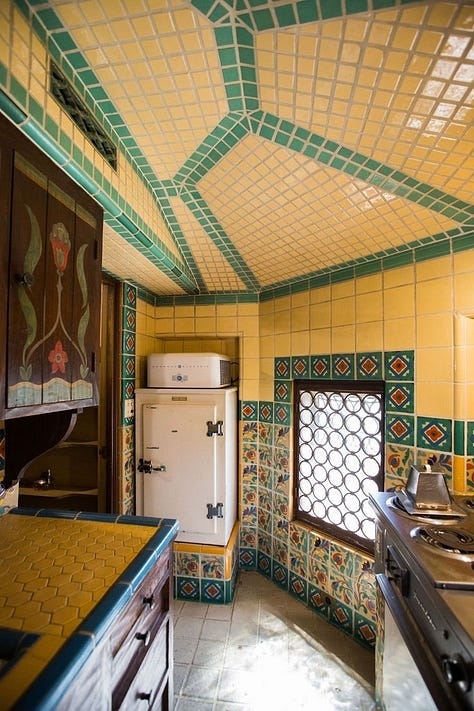
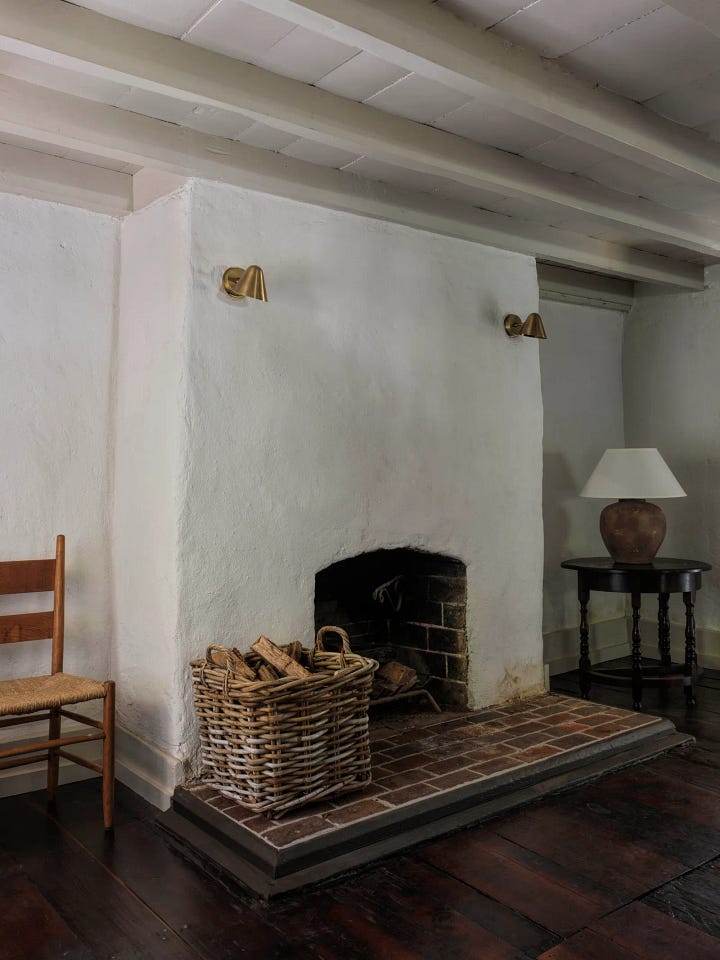
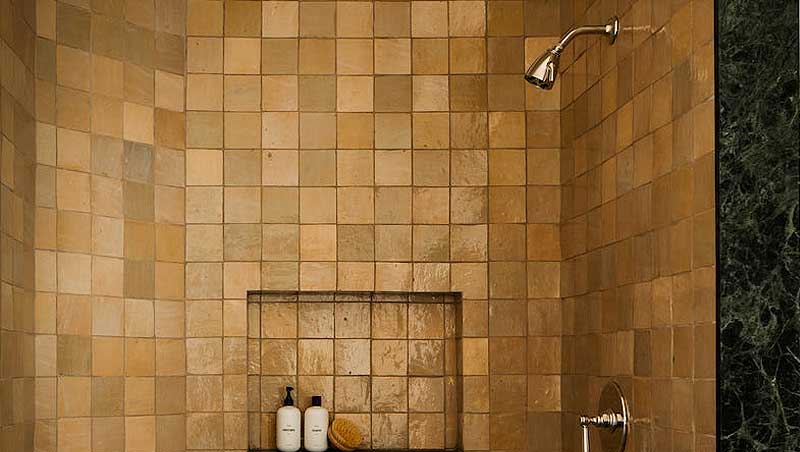
Windows, moldings, doors, tile (because once they’re gone, they’re gone).
2. Good light (non-negotiable)
If it’s too dark, nothing else matters.
3. A layout that mostly makes sense
You can tweak. You don’t want to completely reconfigure it.
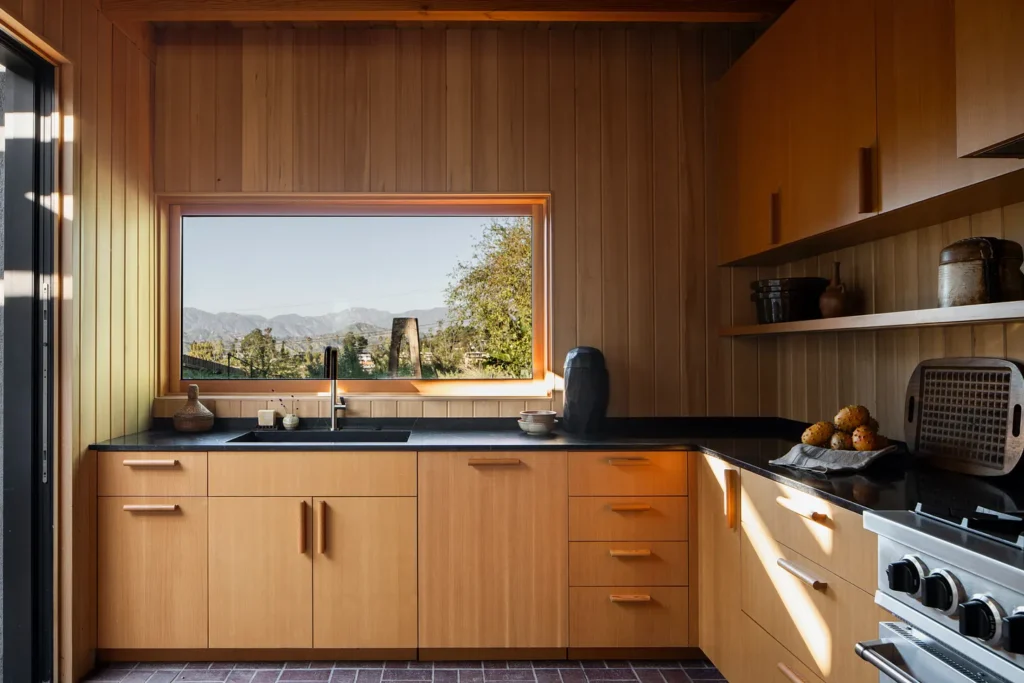
4. Real, solid materials
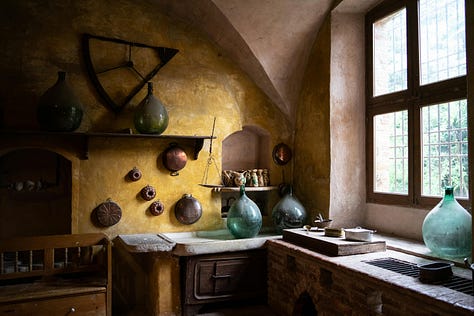
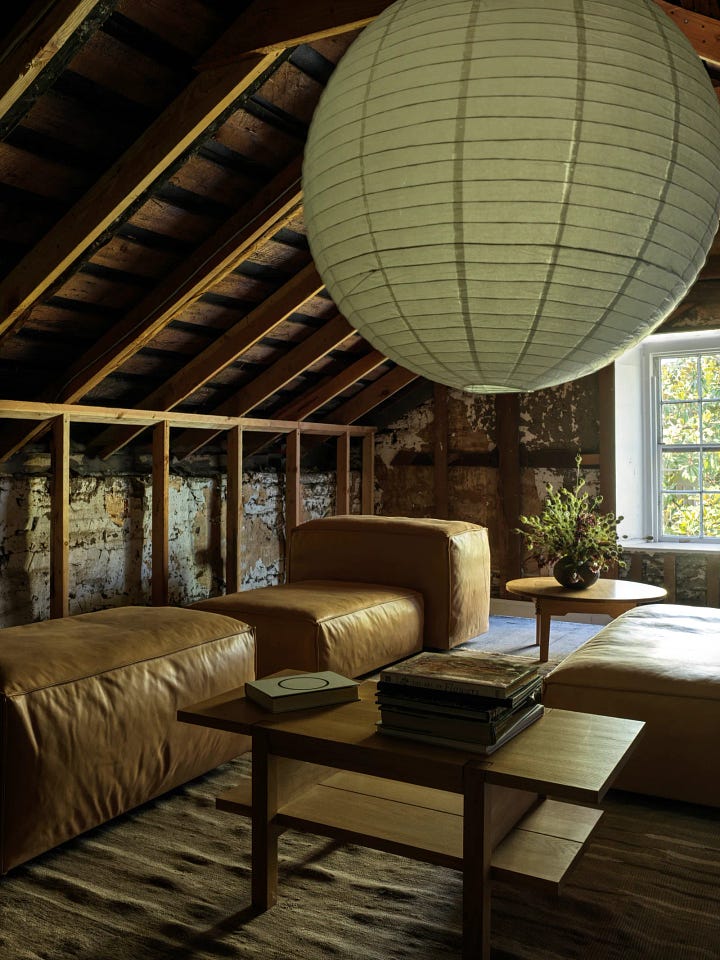
Wood. Plaster. Stone. Things that age well, and look timeless.
5. It hasn’t been over-reimagined
If it’s trying too hard to be “modern,” it usually lost the plot.
6. You feel something when you walk in
More than anything else, this is how you know it’s yours.
Because older homes are scarce, and because buyers consistently gravitate toward character, walkable neighborhoods, and architectural integrity – they tend to hold long-term appeal in a way trend-driven new builds sometimes don’t. Yes, you’re buying a house. More than that, you’re buying something that already proved it can last.
We’ll take the house with the good bones. The better light. The one with history and feeling. Every time.
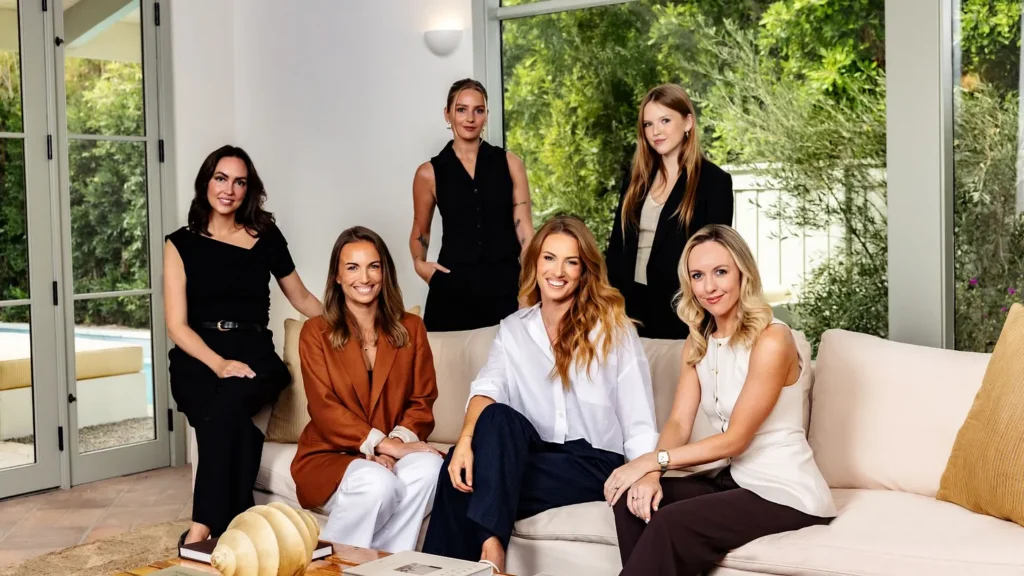
If you’re looking right now, send us what you’re deciding between.
Old vs new. Character vs clean.
We’ll tell you honestly what we’d do.